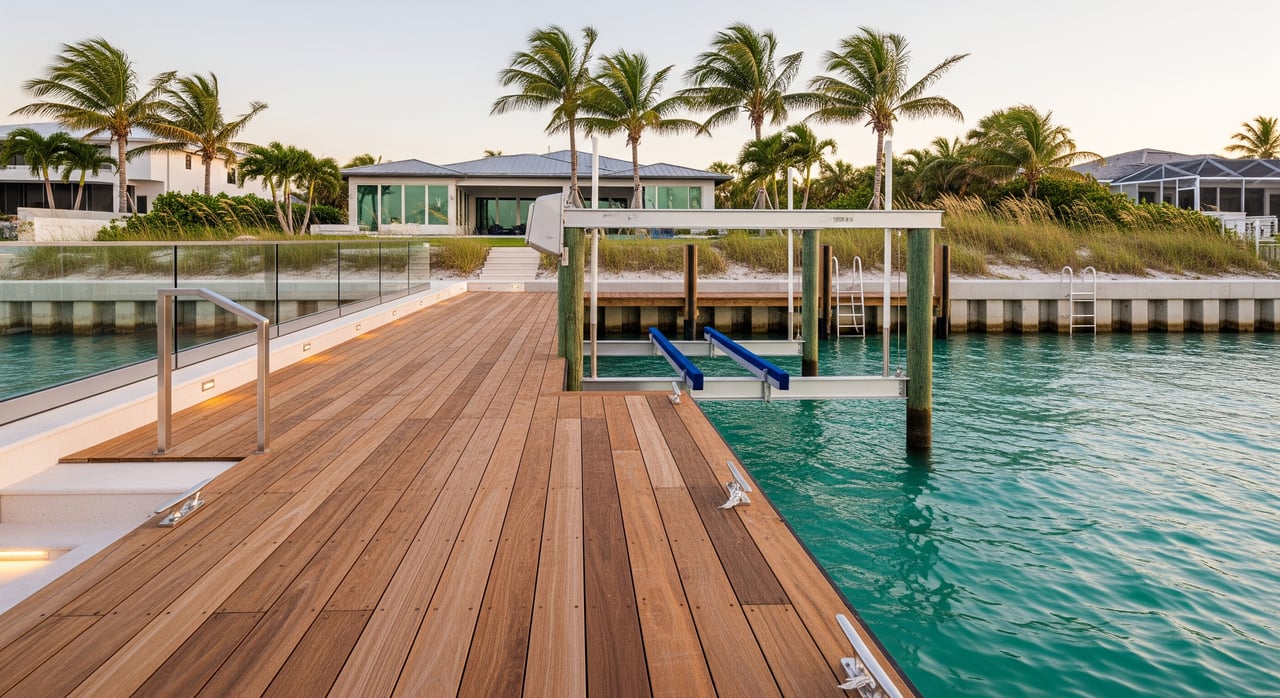
Is your Redington Beach dream home on the water? Then the seawall under your lawn, the dock under your feet, and the lift that carries your boat are just as important as the kitchen and views. These structures shape daily life, insurance, and future costs. You deserve clear, practical guidance so you can buy or sell with confidence.
In this guide, you will learn what is typical in Redington Beach, how long systems last, what warning signs to watch for, and which permits and documents matter most. You will also get buyer and seller checklists you can use right away. Let’s dive in.
Waterfront basics in Redington Beach
Redington Beach sits on a barrier island. Homes face the open Gulf or protected bay, canal, and Intracoastal waters on the landward side. Most residential docks and lifts are found on the bay and canal side, where water is calmer and access is easier.
Exposure drives design. Open Gulf locations face heavier wave energy and need more robust protection. Bay and canal homes see gentler wakes and currents, which often shapes seawall materials and dock layout.
A complete waterfront setup usually includes a shoreline structure such as a seawall or bulkhead, a fixed or floating dock with pilings, and a boat lift with marine-grade electrical service. Each component has its own lifespan, maintenance needs, and permitting history you should verify.
Seawall types and components
Common seawall materials
You will most often find:
- Reinforced concrete walls. These are common and durable when built and maintained well.
- Vinyl (PVC) sheet piles. These interlocking panels resist corrosion and are frequent on newer or repaired walls.
- Steel sheet piles. Effective when protected and maintained, often used where pile driving is practical.
- Timber bulkheads. These appear on older properties and in lower exposure locations.
Key construction features
Seawalls typically include a top cap, tiebacks or deadman anchors, and toe-level scour protection such as riprap. Drainage elements like weep holes or scuppers relieve pressure behind the wall. When these features are missing or failing, walls can crack, lean, or settle.
Lifespan and warning signs
Typical ranges vary by exposure and care:
- Concrete seawalls: about 40 to 80 plus years when properly built and maintained.
- Vinyl sheet piles: roughly 20 to 40 years.
- Timber bulkheads: about 15 to 30 years.
- Steel components: typically 30 to 50 years with corrosion protection.
Red flags include toe scour or undermining, cracks and spalling, exposed rebar, leaning or settlement, and separated joints. Bulging or slumping soil behind the wall and corroded anchors also signal a need for professional evaluation.
Dock layouts and materials
Typical designs and dimensions
Common residential docks include straight piers with one or more finger piers for slips, as well as T-head or L-head designs when you need more space or deeper water. Typical walkway widths range from about 6 to 10 feet, with finger piers around 3 to 6 feet wide, subject to property constraints and permits.
Floating sections are sometimes used when tidal range, soft bottom conditions, or shoreline slope call for a platform that rises and falls with the water.
Piles and decking options
Pilings may be treated wood, concrete, steel, or composite-wrapped for added durability. Decking options include pressure-treated wood, tropical hardwoods, and increasingly composite or plastic materials that trade higher upfront cost for lower maintenance.
Hardware and fasteners should be marine grade. Crossbracing and connections deserve a close look during inspections, since corrosion and movement tend to show up there first.
Maintenance priorities
Plan for seasonal cleaning and checks. Replace loose or corroded fasteners, resecure any wobbly sections, and reseal or recoat materials as recommended. After major storms, walk the dock at low and high tide and photograph changes for your records.
Boat lift options and care
Common lift types
Around Redington Beach, you will see vertical cradle lifts, overhead or monorail systems, hydraulic lifts for heavier boats, and piling-mounted or floating platform lifts. Frames are commonly aluminum with stainless or galvanized hardware and synthetic straps or bunks.
Electrical and corrosion basics
Boat lift motors are typically electric and should be on GFCI-protected circuits with proper disconnects. Salt air and splash zones accelerate corrosion. Sacrificial anodes help protect metal components and require periodic replacement.
Service timelines to expect
Structural frames and bunks can last 20 to 30 plus years when cared for. Motors, cables or straps, winches, and hydraulics often need major service or replacement within 10 to 20 years, depending on use and maintenance. Follow the manufacturer’s schedule, keep service receipts, and watch for cable wear, overheating motors, hydraulic leaks, and seized or noisy winches.
Permits and approvals in Pinellas
Who regulates what
Multiple authorities can be involved in waterfront work. Depending on the project, you may interact with the Town of Redington Beach for local building permits, Pinellas County Development Services, the Florida Department of Environmental Protection for coastal permitting and submerged lands authorization, and the U.S. Army Corps of Engineers for work in navigable waters. The Florida Fish and Wildlife Conservation Commission and local environmental offices oversee mangroves, seagrass, and wildlife protections. FEMA flood zones and the Florida Building Code set additional standards.
Common permitting triggers
Replacing a seawall usually requires more review than a simple repair. Any work seaward of the mean high water line, dredging for access depth, and new pilings in seagrass areas often require approvals from state and federal agencies. Electrical work for lifts requires permits and must meet code, including GFCI protection. If mangroves are present, trimming or removal requires authorization and may need mitigation.
Riparian rights and state lands
Some docks and seawalls extend over state-owned submerged lands and require an authorization or lease that should be documented and transferable with the property. Riparian rights, such as the right to access water and build a dock within limits, are typically part of the deed and title, but can be affected by easements, HOA rules, or local policies. Confirm details through a title search and recorded documents.
Flood zones and insurance factors
Flood zones and base flood elevations influence design, elevation requirements, and insurance costs. An Elevation Certificate is often needed for underwriting. Changes such as seawall replacement or elevating structures can trigger compliance with the Florida Building Code and local floodplain rules. Keep copies of certificates, policies, and any insurance inspections connected to your waterfront structures.
Buyer due diligence checklist
Inspections and records to request
- A marine or structural inspection focused on the seawall toe, tiebacks, anchors, panel joints, and evidence of undermining.
- A dock and lift inspection covering pilings, hardware, decking, lift frames, motors, cables or straps, anodes, and wiring.
- Permit history for the original construction and any repairs, replacements, dredging, or electrical updates.
- As-built drawings, site plans, engineering reports, and any geotechnical documents.
- Service logs, invoices, manuals, warranties, and serial numbers for the boat lift and motors.
- Elevation Certificate, current flood zone information, and flood insurance history.
- Title documents showing riparian rights, easements, HOA agreements, or state submerged lands leases.
Contract protections to consider
- Add a contingency for marine, dock, and lift inspections with enough time to obtain reports and cost estimates.
- Include review of permits, title for riparian rights, elevation data, and any submerged lands authorization.
- Request the seller’s dredging history if access depth is important to you.
Seller preparation checklist
Documents to gather
- All permits and approvals for initial construction and later work, including any state or federal authorizations.
- Active submerged lands leases or authorizations, if applicable.
- As-builts, engineering reports, inspection summaries, and geotechnical reports if available.
- Maintenance and repair invoices for the seawall, pilings, dock rebuilds, dredging, and lift servicing.
- Manuals, warranties, and serial numbers for lift components and motors.
- Deed, title reports noting riparian rights or restrictions, and any HOA or slip agreements.
- Elevation Certificate, flood policy records, claim history, and insurance inspection reports.
- A recent photo set at both high and low tide and after storms if available, plus a boundary survey that shows the mean high water or bulkhead line.
Pre-listing fixes that pay off
- Service the boat lift and replace worn cables or anodes.
- Address minor seawall issues such as small cracks and drainage obstructions before they become negotiating points.
- Tighten or replace corroded dock hardware, secure decking, and tune up lighting and power on GFCI circuits.
Disclosure items to clarify
- Any known settlement, toe scour, or prior emergency repairs.
- Any ongoing compliance needs such as submerged lands lease payments or HOA slip rules.
- Whether dredging has been required historically and any schedule for maintenance dredging.
Repair, replacement, and timing
Cost drivers and negotiation points
Buyers often request credits or price adjustments when inspections show significant seawall or dock issues. The biggest cost drivers are seawall condition at the toe and anchors, piling integrity, and replacement of lift mechanicals. Having recent estimates and permits on hand helps both sides structure a fair solution.
Permitting timelines to plan for
Allow weeks to months for replacement seawalls and major dock or lift modifications. Projects that touch seagrass, involve dredging, or extend over submerged state lands can require additional review and approvals. Build this timing into your contract and closing plans.
Red flags that need action
- Visible toe exposure or undermining at the seawall base.
- Cracked, leaning, or bulging seawall sections, or exposed rebar.
- Missing or corroded tiebacks and anchors.
- Rot or marine borer damage in timber piles.
- Unpermitted electrical work on lifts or missing GFCI protection.
- No permit history for obvious improvements.
- Unclear riparian rights or lack of recorded state submerged lands authorization where one appears necessary.
If you see one of these, bring in a licensed marine contractor or structural engineer with local coastal experience and confirm permit status with the appropriate agencies.
How we help at Chenault Group
Waterfront success comes down to details. You want strong due diligence, clear documents, and a smart plan for timing and negotiations. Our team brings deep local knowledge of Pinellas coastal properties, along with the high-touch advisory you expect when stakes are high.
Whether you are buying or selling, we help you focus on the right steps: assembling permits and service records, coordinating the right inspections, and aligning repairs or credits with your goals. For sellers, our media-first marketing elevates the story of a well-maintained waterfront home so buyers see the value of proper seawalls, docks, and lifts.
If you are planning a move on Redington Beach or nearby islands, let’s talk about your timeline and objectives. We will help you prepare a clean file, navigate permitting realities, and present your property or offer with confidence.
Ready to start? Connect with the Chenault Group for a private market consultation.
FAQs
What is the typical lifespan of a concrete seawall in Redington Beach?
- A well-built, well-maintained concrete seawall commonly lasts about 40 to 80 plus years, depending on exposure and upkeep.
Which dock materials require the least maintenance over time?
- Composite or plastic decking usually trades higher upfront cost for lower maintenance compared to treated wood, though all materials need regular checks and care.
How often should a boat lift be serviced in coastal conditions?
- Structural frames can run for decades, but motors, cables or straps, and hydraulics often need major service or replacement in about 10 to 20 years with routine inspections in between.
Do I need permits to replace a seawall or dock in Redington Beach?
- Replacement work typically requires permits and may involve municipal, county, state, and federal authorities, especially if work extends over submerged lands or affects seagrass or mangroves.
What documents should a seller provide for seawalls, docks, and lifts?
- Provide permits, as-builts, engineering and inspection reports, service invoices, lift manuals and warranties, title and easement records, Elevation Certificate, flood history, and recent photos and surveys.
How do flood zones affect waterfront improvements and insurance?
- Flood zones and base flood elevations influence design and code compliance, and an Elevation Certificate is often needed for insurance underwriting and rate determination.
How can buyers protect themselves in a waterfront contract?
- Include a contingency for specialized marine inspections and time to review permits, title for riparian rights, elevation data, and any submerged lands authorization before closing.