Buying or owning a condo in St. Pete Beach comes with new rules and new questions. You want safety, clarity on costs, and a smooth path to closing or long-term ownership. In this guide, you’ll learn how Florida’s milestone inspections and reserve requirements affect your monthly dues, potential special assessments, financing, and due diligence in our Gulf-front market. Let’s dive in.
What milestone inspections are
Florida introduced milestone inspections to improve building safety, transparency, and financial planning for condominium and cooperative buildings. The goal is to identify structural deterioration early, share findings with owners, and plan funding for repairs.
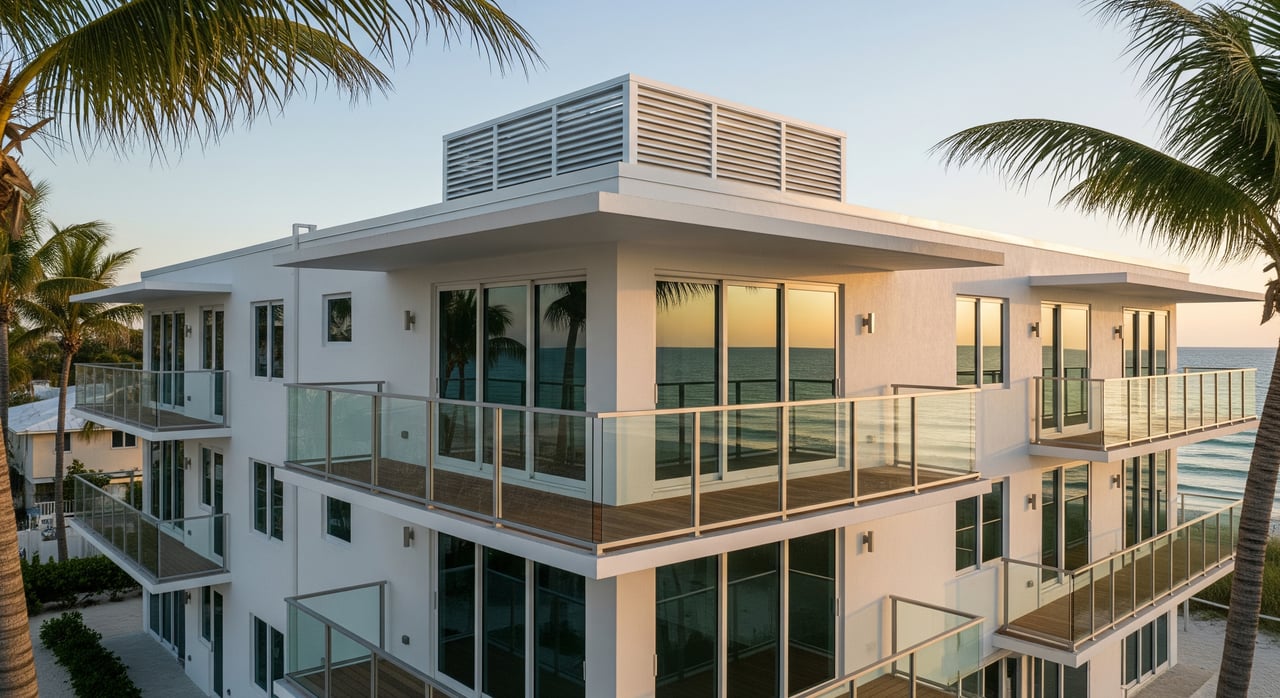
These inspections typically apply to buildings three stories or higher. Timing often depends on a building’s age, height, and proximity to the coast. On the Gulf, salt air accelerates wear, so St. Pete Beach buildings are a priority for careful evaluation.
A licensed engineer or qualified team inspects the structure and issues a report. Associations usually must file the report with authorities and notify owners. Findings often lead to updated reserve studies and, in some cases, special assessments or loans to fund repairs.
How this affects St. Pete Beach
Coastal conditions in St. Pete Beach increase the risk of corrosion and water intrusion. Salt air and airborne chlorides can degrade concrete and metal components. High humidity and frequent storms stress exterior systems and roofs. Rising sea levels and high water tables can complicate waterproofing and drainage.
Typical problem areas include:
- Balconies, parapet walls, and concrete with spalling or rusting rebar
- Parking structures, especially podium or under-building garages
- Pool decks, stairs, exterior stucco and waterproofing membranes
- Roof systems, expansion joints, and building envelope sealants
- Metal and mechanical elements exposed to salt air
As a result, buyers, lenders, and insurers pay close attention to inspection reports and reserve health in local projects.
What to expect from an inspection
A milestone inspection produces a report with deficiencies, repair recommendations, urgency, and estimated costs. Associations typically must share the results and outline next steps. If material repairs are identified, boards often update the reserve study and adopt a funding plan.
These findings can influence marketability. Buyers request the report and recent meeting minutes. Lenders may ask for more documentation, and insurers may review coverage carefully when significant structural work is needed or reserves are low.
Reserves 101 and funding options
A reserve study inventories major common elements, estimates remaining useful life and replacement costs, and recommends annual contributions. After a milestone inspection, associations often reassess reserves for structural items.
- Funded reserves help avoid large, surprise assessments.
- Underfunded reserves increase the risk of special assessments or borrowing.
Associations commonly fund repairs by increasing regular assessments, levying special assessments, obtaining loans, or using a combination. Governing documents set approval thresholds, notice requirements, and how budgets or loans are adopted, so you should review declarations and bylaws.
Costs and timelines you can expect
Here is a practical way to think about timing and impact:
- Immediate: inspection and administrative costs, usually paid from the association budget or reserves.
- Near term: urgent repairs can lead to special assessments or loans. If work is less urgent, you may see stepped increases to regular assessments to build reserves.
- Long term: well-funded reserves smooth out costs and reduce future special assessments.
Your cost exposure depends on the size and complexity of repairs, the existing reserve balance, the association’s willingness to approve funding, local contractor and permitting costs, and insurance coverage. Many deterioration items are not insurable.
Buyer due diligence checklist
Before you write an offer, request these materials and review them during your contingency period:
- Most recent milestone inspection report and any follow-up
- Current reserve study and recent updates
- Current budget and year-to-date financials
- Board meeting minutes for the past 12–36 months
- Association insurance policies, including windstorm and deductibles
- Contracts, scopes, and engineering reports for planned or ongoing repairs
- Notices regarding special assessments, loans, or votes
- Governing documents outlining vote thresholds and reserve requirements
- Details on any pending litigation or claims
- History of special assessments and how funds were used
Ask direct questions:
- Has the building completed the state-required milestone inspection? When and by whom?
- What were the major findings and estimated repair costs?
- What funding plan is in place, and what are the timelines and amounts?
- What is the current reserve balance and the percent funded versus recommendations?
- Are there any special assessments or association loans scheduled? What are the payment options?
- Are there any notices to comply or code enforcement actions from Pinellas County or the City of St. Pete Beach?
- Is insurance current, and are there any claims affecting coverage?
- What is the owner delinquency rate on assessments?
- Have licensed contractors been engaged for required work, and are contracts signed?
Watch for red flags:
- No milestone inspection on file for a qualifying building
- Large engineering estimates without a funding plan
- Low reserve balance relative to study recommendations
- Repeated special assessments or sharp assessment increases
- Significant litigation, high delinquency rates, or frequent board/manager turnover
- Limited transparency or difficulty accessing records
Practical steps:
- Make association documents part of your offer and inspection timeline.
- Consider engaging a Florida condo attorney to review disclosures and governing rules.
- Order an independent inspection for your unit and coordinate with the building engineer when possible.
- Talk to your lender early about project approvals and reserve minimums.
Tips for current owners and sellers
If you plan to sell, gather your building’s milestone report, reserve study, budget, and recent minutes before listing. Buyers will ask for them. If a special assessment is planned, disclose it early with timing and expected amounts.
Work with your board to promote transparent, staged funding plans. Phased projects and financing options can reduce friction during resale and help maintain marketability.
Lender and insurer considerations
If a milestone report shows significant deficiencies or reserves are underfunded, lenders may apply extra scrutiny. Some loan programs need proof of project health or formal approvals. Special assessments can affect debt-to-income ratios and monthly payment calculations for buyers.
Insurers often review structural risk closely in coastal buildings. Policies, deductibles, and exclusions matter. Make sure you understand master policy limits and how they interact with unit-level coverage.
Local resources and who to contact
For the latest forms and deadlines, look to the Florida Division of Condominiums, Timeshares, and Mobile Homes. For permits, code enforcement, or notices, check Pinellas County and the City of St. Pete Beach building departments. You can also review recorded matters with the Pinellas County Clerk of the Circuit Court and confirm ownership details with the Pinellas County Property Appraiser.
When you need interpretation or a plan, consult a Florida condo attorney, a structural or forensic engineer with coastal experience, a seasoned local association manager, and a lender who regularly underwrites Florida condos.
Move forward with confidence
Milestone inspections and stronger reserve rules are meant to protect owners and buyers. In St. Pete Beach, coastal exposure makes careful due diligence essential. When you understand the inspection findings, reserve health, and funding strategy, you can price a listing correctly, write a stronger offer, and plan for long-term ownership with fewer surprises.
If you want a trusted local perspective on a specific building or plan, connect with the Chenault Group for a Private Market Consultation.
FAQs
What is a Florida condo milestone inspection?
- It is a professional structural review, typically for buildings three stories or higher, intended to identify deterioration, recommend repairs, and improve safety and transparency.
Which St. Pete Beach buildings must comply with the inspection rules?
- Multi-story condominium or cooperative buildings, commonly three stories or higher, with timelines influenced by building age, size, and coastal proximity.
How can inspections and reserves affect my monthly HOA dues?
- Findings may drive higher reserve contributions, special assessments, or association loans, which can increase monthly dues in the near term.
What should buyers request before making an offer on a condo?
- Ask for the milestone inspection report, reserve study, current budget and financials, recent minutes, insurance policies, and any notices about assessments, loans, or litigation.
How do lenders view buildings with pending assessments or low reserves?
- Lenders may require added documentation or project approval and could limit financing if significant deficiencies or underfunded reserves are present.
Where can I verify a building’s compliance or permits?
- Check with the Florida Division of Condominiums for guidance and consult Pinellas County and City of St. Pete Beach building departments for permits or code actions.