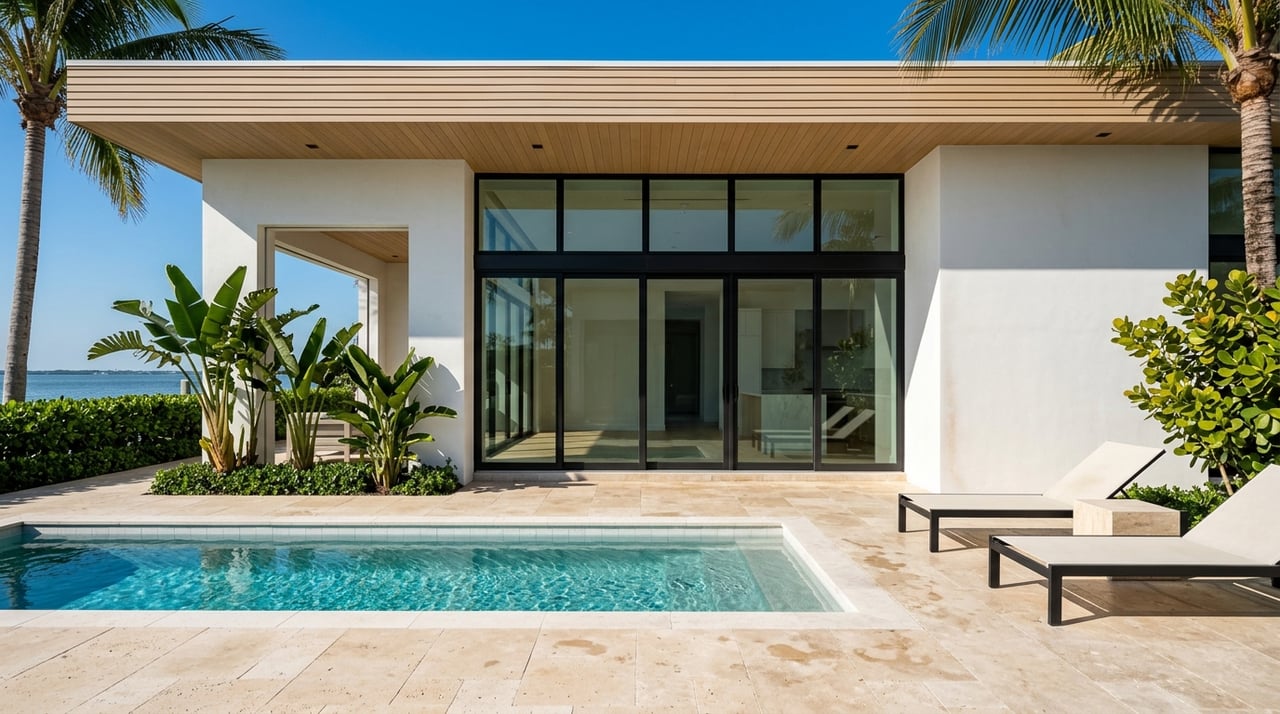
Choosing between a luxury condo and a luxury home on Clearwater Beach is not just about square footage or price. In 33767, your decision shapes how you live day to day, how much upkeep you take on, and what kind of long-term costs and responsibilities come with ownership. If you are weighing views, privacy, convenience, and coastal risk all at once, this guide will help you sort through the tradeoffs with more confidence. Let’s dive in.
Why this choice matters in Clearwater Beach
Clearwater Beach offers a very specific coastal lifestyle. The city describes the area as walkable, with restaurants and shops nearby, about 3 miles of beach, year-round lifeguards, and daily beach cleaning and raking. That creates a polished, highly public beach environment that feels very different from a quieter residential street or private waterfront setting.
That local context matters when you compare condos and homes. A condo may place you right in the middle of the beach-oriented lifestyle, often with shared amenities and easy access to the public waterfront scene. A home may offer more separation, more control, and a different kind of privacy, especially if your focus is on a waterfront lot, outdoor living, or a more independent ownership experience.
Pricing also needs careful context. Public market snapshots for 33767 vary depending on the source and timing, with reported medians and values differing across Realtor.com, Zillow, and Redfin in early 2026. The practical takeaway is simple: when you compare condos versus homes, use the same source and the same time period so your comparison is apples to apples.
Luxury condos: convenience with shared governance
For many buyers, a luxury condo fits the Clearwater Beach lifestyle beautifully. If you want a lock-and-leave property, shared amenities, and less exterior upkeep, condo living can feel streamlined and efficient. That can be especially appealing if this is a second home or if you want a more managed ownership experience.
In Florida, condo ownership is association-centered. The Florida Department of Business and Professional Regulation says the condo board manages the association, sets policy, ensures proper property maintenance, and enforces the governing documents. As a unit owner, you are responsible for paying your share of common expenses and following the condominium rules.
That structure creates a clear tradeoff. You may gain convenience and a professionally managed building environment, but you also give up some autonomy compared with owning a detached home. In a luxury building, that can affect everything from pets and parking to rental flexibility and future monthly carrying costs.
What condo buyers should review closely
Florida’s condo landscape has changed in important ways. Residential condominium and cooperative buildings that are three or more habitable stories are subject to milestone inspections at certain building ages, and then every 10 years after that. Florida also requires structural integrity reserve studies, known as SIRS, for qualifying condo buildings at least once every 10 years after creation.
These requirements matter because they shape ownership costs. Reserve studies and structural inspection reports are part of the association’s official records and must be made available to potential purchasers. Florida also limits the ability to waive reserves for required structural items, which means your dues may reflect not only amenities and operations, but also longer-term building funding and compliance obligations.
Before you buy a luxury condo, ask for:
- The most recent budget
- Current financial reports
- The most recent SIRS
- Milestone inspection summary, if applicable
- Rules on rentals
- Rules on pets
- Parking policies
- Any history of special assessments or pending assessments
These documents can help you understand whether a building is simply attractive on the surface or truly well-positioned for long-term ownership.
Luxury homes: autonomy with more responsibility
If your priority is privacy, outdoor space, and direct control over the property, a single-family home may be the better fit. In Clearwater Beach and nearby waterfront settings, that can mean more room for customization, a more private entry experience, and greater separation from the public rhythm of beach traffic and shared spaces.
Detached homes are not subject to the condo-specific milestone inspection and SIRS regime in the same way. Florida exempts certain single-family and small multi-family dwellings from milestone inspection requirements, which usually means a simpler governance structure than a condo purchase. In practical terms, you trade shared oversight for more personal responsibility.
That independence can be a major advantage. You have more say over maintenance timing, renovation decisions, and how you use your property within local rules. At the same time, storm readiness, exterior maintenance, and insurance planning fall more directly on you.
What home buyers should verify first
On Clearwater Beach, flood exposure is a major part of the decision. The City of Clearwater provides parcel-specific flood and elevation data, and it makes an important distinction between flood zones and evacuation zones. The city also uses Pinellas County’s vulnerability assessment to establish base flood elevation for parcels on Clearwater Beach, Sand Key, and Island Estates.
For home buyers, flood zone and elevation can affect more than peace of mind. FEMA notes that flood insurance premiums are influenced by factors such as location, flood zone, building design and age, elevation, distance to water, and rebuild cost. Coastal Zone VE is considered a coastal high-hazard area with more stringent building practices.
Before making an offer on a luxury home, focus on:
- Flood zone information
- Elevation certificate availability
- Insurance considerations
- Coastal maintenance exposure
- Any city review issues tied to substantial improvement or substantial damage
In a waterfront market, these details can influence renovation plans, carrying costs, and resale appeal.
Taxes and primary residence planning
If you plan to make the property your primary residence, property taxes deserve a close look. Pinellas County says homestead property qualifies for the first $25,000 exemption. After a year under homestead status, the Save Our Homes cap may limit annual assessed-value growth to 3 percent or the rate of inflation, whichever is lower.
The county also states that this cap does not apply to properties that are rented or not homesteaded. Non-homestead property is subject to a 10 percent limitation on assessed-value growth. Whether you buy a condo or a home, your intended use matters, and that makes it smart to evaluate ownership structure alongside your residency plans.
Rental rules can change the answer
Some buyers begin with a lifestyle decision, then realize their rental plans point them in another direction. In Clearwater, the city’s code-compliance guide states that residential districts do not allow rentals for periods shorter than 31 days or one calendar month, whichever is less. The city also actively enforces its short-term rental ordinance.
For condo buyers, there can be an extra layer. A building may have stricter rental rules in its declaration or association policies. That means a property that looks perfect for occasional income on paper may not fit your strategy once city rules and condo documents are reviewed together.
If rental flexibility matters to you, confirm the city standard first and then verify the building or property-specific rules before you move forward.
Lifestyle fit: what feels right day to day
A luxury condo often works best if you want simplicity, shared amenities, and easy access to the beach-centered lifestyle. You may enjoy having less exterior upkeep, more convenience when you come and go, and a building environment that supports a second-home routine. For many buyers, that combination feels effortless.
A luxury home often works best if you want more privacy, more control, and more usable outdoor space. If your vision includes a private dock, a larger lot, or a tailored indoor-outdoor living setup, a detached property may align better with that goal. It can feel more personal and more flexible, but it also asks more of you as an owner.
Neither option is universally better. The best fit depends on how you want to live, how often you plan to use the property, and how comfortable you are managing the responsibilities that come with coastal ownership.
A practical way to decide
If you are still torn, use this simple framework:
Choose a luxury condo if you want:
- Lower-maintenance ownership
- Shared amenities
- A more managed property experience
- Easy lock-and-leave convenience
- A location closely tied to the public beach lifestyle
Choose a luxury home if you want:
- More privacy
- More autonomy and control
- More customization potential
- More direct outdoor living space
- A property experience less tied to association governance
In the current market, buyers also have room to be selective. Public-market snapshots in early 2026 described Clearwater Beach as a buyer’s market, and 33767 showed relatively long days on market. That gives you more reason to review condition, documentation, and ongoing costs carefully instead of rushing into a decision.
The bottom line for Clearwater Beach buyers
On Clearwater Beach, the condo-versus-home decision is really a lifestyle and ownership decision wrapped into one. Condos can offer ease, amenities, and a polished beachside experience, but they require close review of building documents, reserves, and rules. Homes can offer privacy, control, and customization, but they also bring more direct responsibility for maintenance, flood readiness, and insurance planning.
If you want to compare specific condos, beachfront homes, Intracoastal properties, or off-market opportunities in 33767, Chenault Group can help you evaluate the details that matter most and narrow the field with confidence.
FAQs
What is the main difference between owning a luxury condo and a luxury home in Clearwater Beach?
- A luxury condo usually offers a more managed ownership experience with shared expenses and association rules, while a luxury home usually offers more privacy and control but also more direct maintenance responsibility.
What should you ask for before buying a Clearwater Beach luxury condo?
- Ask for the latest budget, financial reports, structural integrity reserve study, milestone inspection summary if applicable, and the association’s rules on rentals, pets, parking, and special assessments.
What flood information should you check before buying a Clearwater Beach home?
- You should review the property’s flood zone, elevation data, elevation certificate availability if available, and any local considerations that could affect insurance, renovations, or future resale.
Can you use a Clearwater Beach condo or home as a short-term rental?
- In Clearwater residential districts, rentals shorter than 31 days or one calendar month, whichever is less, are not allowed, and condo buildings may also impose stricter rental rules.
How do property taxes work if you make a Clearwater Beach property your primary residence?
- Pinellas County says homestead property qualifies for the first $25,000 exemption, and after one year under homestead status, the Save Our Homes cap may limit annual assessed-value growth.
Is Clearwater Beach a market where buyers can take their time?
- Early 2026 public-market snapshots described Clearwater Beach as a buyer’s market with relatively long days on market in 33767, which suggests buyers can be selective about documents, condition, and carrying costs.