If you are selling a Sand Key condo, you are not just listing square footage. You are positioning a view, a building, and a coastal lifestyle in a market where buyers have options. That can feel like a lot to manage, especially when pricing, condo documents, reserves, and storm-related questions all affect buyer confidence. The good news is that a smooth, strong sale usually comes down to preparation, clarity, and the right strategy from day one. Let’s dive in.
Understand the Sand Key market
Sand Key is part of Clearwater’s barrier-island system and functions as a year-round residential community with condominiums, restaurants, specialty shops, and hotels. For sellers, that setting creates strong lifestyle appeal, but it also means buyers often compare multiple similar waterfront options at once.
Current market snapshots point to a condo market with meaningful inventory and a slower pace than many sellers expect. Public data shows more than 100 condos for sale in Sand Key, median list prices in the mid-$800,000s, and typical market time measured in months, not days. In this kind of environment, buyers tend to be selective and pricing discipline matters.
That is why broad neighborhood averages only tell part of the story. In Sand Key, the difference between one sale and the next often comes down to the building, floor, view orientation, updates, and the association’s financial posture.
Price by building, not by ZIP code
A common mistake in condo selling is relying too heavily on area-wide averages. In Sand Key, that approach can miss what buyers actually care about when they compare units side by side.
A higher-floor residence with wide Gulf views may compete in a very different lane than a lower-floor unit in the same building. A renovated condo with a strong balcony presentation and attractive outlook can also command different attention than a similar floor plan with dated finishes or a less desirable exposure.
The most effective pricing strategy starts with building-level and floor-level comparisons. That means looking closely at recent and current competition tied to the same address or highly similar properties, then adjusting for view quality, interior condition, and amenities.
Highlight the features buyers notice first
In Sand Key, buyers tend to focus quickly on the factors that shape everyday coastal living. Listings in the area consistently emphasize water views, balconies, gated access, pet-friendly rules, and no age restrictions. That pattern gives sellers a useful roadmap.
Views often lead the value story
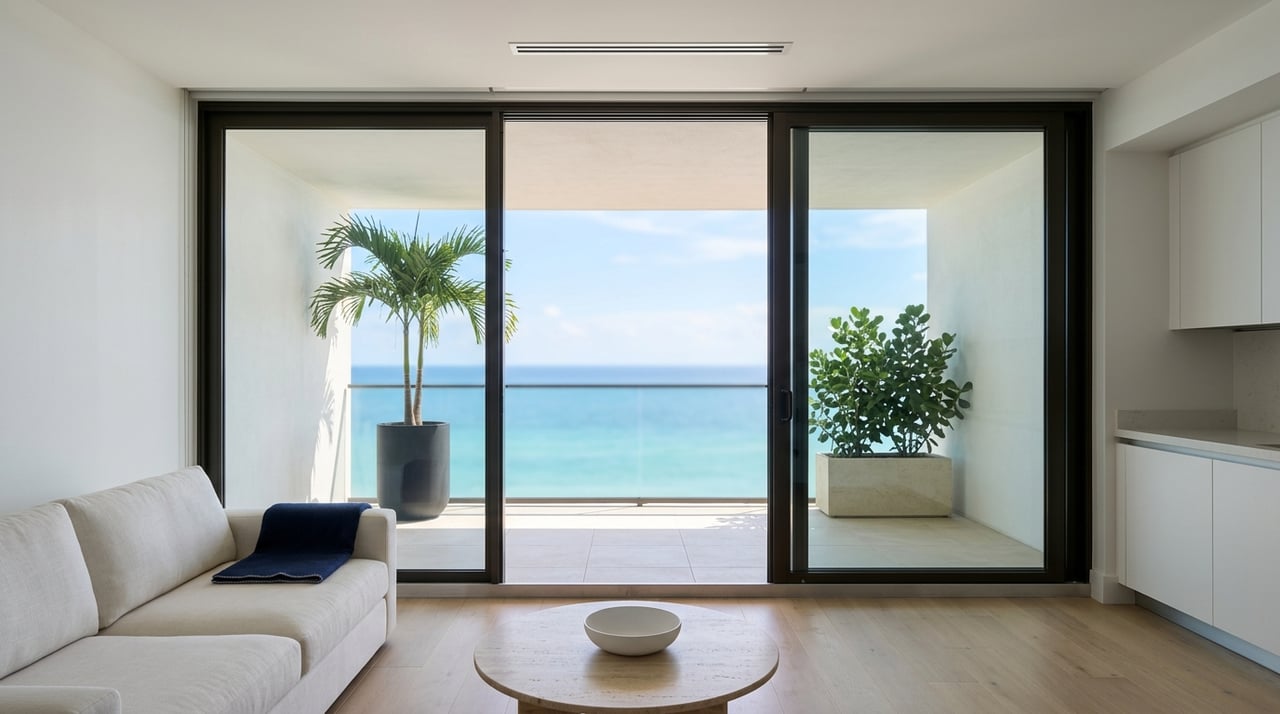
View quality is one of the clearest value drivers in Sand Key condos. Gulf, beach, and Intracoastal outlooks can shape both initial interest and final pricing, especially when the views feel open and unobstructed.
Clearwater’s broader planning framework also recognizes scenic water views and view corridors as assets worth protecting. While that is not a pricing rule, it reinforces why buyers place such a premium on strong sightlines and outdoor living.
When your condo has a standout outlook, your marketing should present it clearly and early. Professional photography, video, and showing preparation should all support that first impression.
Amenities help justify price
In a competitive condo market, buyers do not evaluate the unit in isolation. They assess the full lifestyle package, including building access, pet policies, community features, and the feel of the property as a whole.
That means your pricing and marketing strategy should account for the amenity stack. A well-positioned residence in a building with sought-after features may attract stronger interest than a similar interior in a building with fewer advantages.
Prepare condo documents early
One of the smartest ways to reduce delays is to gather required condo documents before your listing goes live or as early in the process as possible. In Florida, condo sellers must provide a current copy of the declaration, articles of incorporation, bylaws and rules, the annual financial statement and annual budget, and certain inspection and reserve-related materials when applicable.
Those materials can include the inspector-prepared summary of a milestone inspection report, the association’s most recent structural integrity reserve study, or a statement that the study has not been completed. If applicable, a turnover inspection report must also be provided.
This is more than paperwork. It is part of the buyer’s risk review, and slow delivery can affect your timeline.
Why document timing matters
Under Florida law, if a buyer requests certain milestone, turnover, or reserve-study materials in writing, closing can be extended by up to 7 days after receipt, excluding Saturdays, Sundays, and legal holidays. In practical terms, missing documents can slow a deal that otherwise looked ready to close.
Association records also are not always available instantly. Florida law requires official records to be organized and made available to a unit owner within certain timeframes after written request, but that still means sellers should avoid waiting until the last minute.
A prepared seller gives buyers answers sooner. That usually builds confidence and helps keep momentum intact.
Address reserves and assessments directly
For many Sand Key buyers, the biggest questions are not about paint colors or staging. They are about the financial and physical health of the building.
Florida’s condo rules have made reserve funding and building-condition issues much more visible in recent years. For buildings three stories or higher, a structural integrity reserve study is required at least every 10 years and covers major components such as the roof, structure, fire protection systems, plumbing, electrical, waterproofing, exterior painting, and windows and exterior doors, along with certain other deferred-maintenance items.
For budgets adopted on or after December 31, 2024, associations that are required to obtain this study generally may not waive or underfund reserves for the covered items. That means buyers are paying close attention to reserve adequacy, repair planning, and the possibility of special assessments.
Questions to answer before buyers ask
Before you go to market, it helps to have clear responses ready for questions like these:
- Are there any pending special assessments?
- Has the building completed its structural integrity reserve study?
- Were milestone inspections required, and if so, is the summary available?
- How do the current budget and reserves look?
- Are there open maintenance issues that could affect buyer perception?
You do not need to overexplain. You do need to be organized, accurate, and transparent.
Don’t overlook the estoppel certificate
The estoppel certificate is one of the most important closing documents in a Florida condo sale. It confirms key details such as assessments due, transfer fees, open violations, transfer-approval rules, rights of first refusal, other associations, and the association’s insurance contact information.
The association must issue the estoppel certificate within 10 business days of request. It remains effective for 30 days if delivered electronically or by hand, and 35 days if mailed.
Because of that limited shelf life, timing matters. Order it too early and it may expire. Order it too late and closing can get squeezed.
Talk about flood risk with clarity
On Sand Key, flood and storm questions are normal. They should be addressed clearly, calmly, and early.
Florida now requires a flood disclosure for residential real property at or before contract execution. The form asks whether you know of flood damage during your ownership, whether flood-related insurance claims were filed, and whether flood assistance was received.
Pinellas County also notes that everyone is at risk for flooding and that flood zones and evacuation zones are different. That distinction matters because buyers often confuse the two when evaluating insurance needs and storm planning.
Set expectations for coastal logistics
Since Sand Key is part of Clearwater’s barrier-island system, storm logistics can affect showings, inspections, and closing schedules. Clearwater’s barrier-island re-entry program includes Sand Key, which is a practical reminder that access after a hurricane or tropical storm may not work like inland property access.
This does not mean a sale is harder. It means buyers appreciate sellers who are prepared, factual, and responsive when these questions come up.
Build a strategy around confidence
In a higher-inventory market, a smooth, strong sale usually comes from reducing uncertainty. Buyers tend to move faster when they understand what they are buying, how the building is positioned, and whether the numbers make sense.
That is why the most effective Sand Key condo strategy often includes:
- Precise pricing based on real building-level competition
- Strong visual presentation that leads with views and lifestyle
- Early collection of condo documents
- Clear reserve and assessment answers
- Timely estoppel coordination
- Upfront flood and storm-related disclosure readiness
When these pieces are in place, your listing does more than look appealing. It feels credible.
Why execution matters in Sand Key
Luxury condo buyers on the Pinellas beaches often come in well-informed and detail-oriented. They are not just buying a residence. They are evaluating exposure, building operations, future costs, and ease of ownership.
That is where local market knowledge and technical preparation can make a real difference. A polished launch, accurate pricing, and clean documentation can help your condo stand out for the right reasons.
If you are thinking about selling your Sand Key condo, the best first step is a strategy conversation built around your building, your unit, and today’s buyer expectations. To request a private market consultation, connect with Chenault Group.
FAQs
What affects Sand Key condo value the most?
- In Sand Key, value often depends on the specific building, floor level, view orientation, interior updates, and amenity package more than broad neighborhood averages.
What condo documents do Florida sellers need for a Sand Key sale?
- Florida condo sellers must provide governing documents, the annual financial statement and budget, and certain milestone inspection, reserve study, or turnover materials when applicable.
Why do reserve studies matter when selling a Sand Key condo?
- Buyers often review reserve studies to understand the building’s financial planning for major components and to gauge the risk of future special assessments.
What is an estoppel certificate in a Florida condo sale?
- An estoppel certificate is an association document that confirms items like assessments due, transfer fees, open violations, approval requirements, and other closing-related details.
Do Sand Key condo sellers need to disclose flood information?
- Yes. Florida requires a flood disclosure at or before contract execution for residential real property, including known flood damage, flood insurance claims, and flood assistance received.
Can storms affect a Sand Key condo closing?
- Yes. Because Sand Key is on Clearwater’s barrier-island system, post-storm access, inspections, showings, and scheduling can be affected by re-entry and local conditions.