Thinking about a beach place you can enjoy and rent on your schedule? Indian Rocks Beach offers small-town Gulf vibes with an active vacation-rental scene, so you can keep the sand between your toes and offset some carrying costs when you are away. The key is understanding local rules, realistic performance ranges, and the setup choices that make hosting smooth. In this guide you will learn the essentials for IRB second homes, from registrations and taxes to insurance, HOA checks, and seasonality. Let’s dive in.
Why choose Indian Rocks Beach
Indian Rocks Beach sits on a barrier island in Pinellas County, with walkable beach access, local dining, and a relaxed pace compared with larger neighbor beaches. You will find a mix of beachfront cottages and condos, plus homes on the Intracoastal Waterway. Buyers often see prices ranging from the high six figures into the low seven figures, with premium pricing for gulf-front and exceptional waterfront.
IRB is popular with part-time owners who value a quieter environment and repeat seasonal visitors. Many properties operate as licensed vacation rentals, so you will find a clear path to rent compliantly if you plan ahead.
Vacation rental rules in IRB
City registration and inspection
Indian Rocks Beach requires a vacation-rental registration to operate legally. You apply, renew annually, and complete both initial and annual inspections. Registration details, forms, and timelines are available on the city’s vacation rental page at the City of Indian Rocks Beach vacation rental information site. You can also review the city ordinance for what must be included in your application, what inspectors verify, and how renewals work in the City’s vacation rental ordinance.
State licensing and taxes
Depending on how you rent, your property may require a Florida Department of Business and Professional Regulation public lodging license. The DBPR’s guide explains which short-term rental types need a license at the DBPR vacation rental license overview. You must also register to collect and remit state sales and transient rental taxes. Pinellas County levies a local Tourist Development Tax of 6 percent that is collected by the county. See the state’s DR-15TDT table for Pinellas County on the Florida Department of Revenue transient rental tax list.
Operational rules for hosts
IRB requires a designated 24/7 responsible person for each rental who can be reached and respond promptly. You must post required items inside the property, including contact information, house rules, evacuation info, and trash guidance. Life-safety features like smoke and carbon monoxide alarms, a fire extinguisher, and evacuation signage are part of the inspection checklist. Advertising must include your city registration number, and repeat violations can trigger fines or suspension as outlined in the City’s vacation rental ordinance.
Occupancy, parking, and quiet hours
The city caps occupancy using a formula tied to bedrooms and zoning districts. As a general guide, think two persons per bedroom plus two in a common area, with higher or lower caps depending on district. Your registration must include a parking plan with on-site spaces tied to the unit and bedrooms. Quiet hours and measurable sound limits apply and are enforced, which helps keep the beach-town feel for everyone. For specifics, review the City’s vacation rental ordinance.
Property types and association rules
Property types in IRB
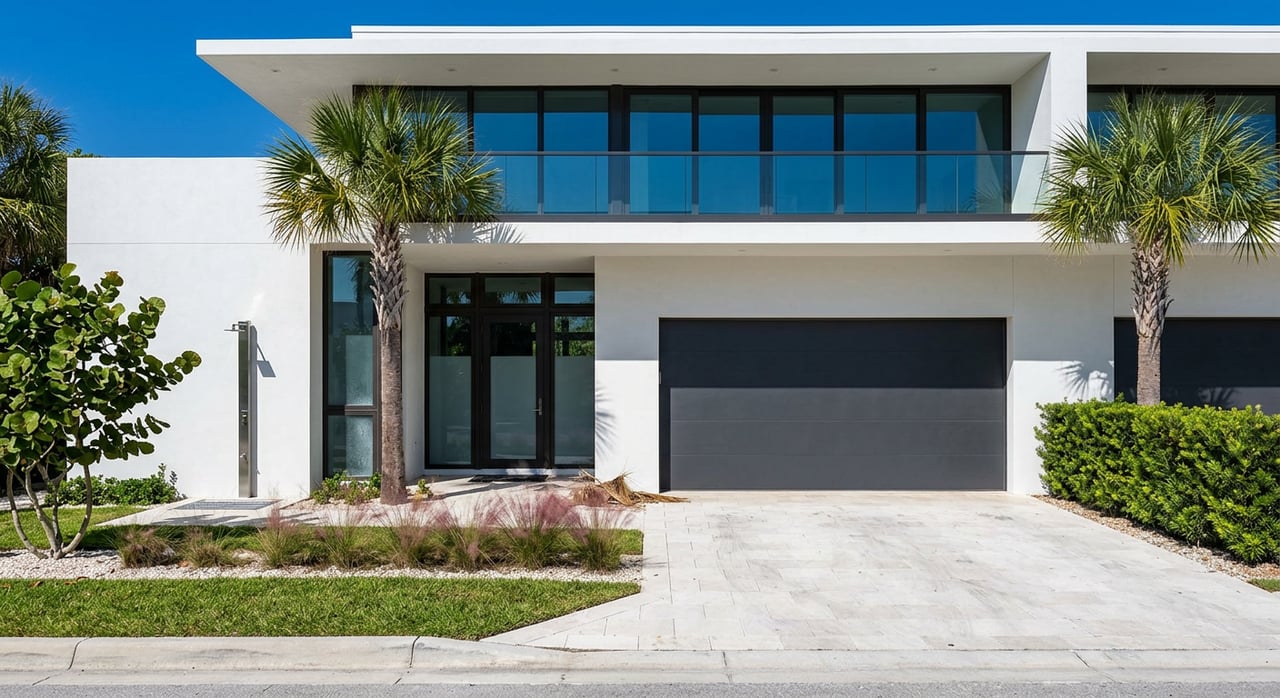
You will see beachfront single-family cottages and elevated homes, duplex and townhome conversions, and a range of condos in small to mid-size buildings. Waterfront and gulf-front homes command the highest prices, while inland parcels along the Intracoastal Narrows can trade at relatively lower prices within the premium beach band. What you choose will shape your rental profile and owner experience.
HOA and condo restrictions
Association rules can tighten or even prohibit short-term rentals. In Florida, condominiums are governed by Chapter 718 and homeowners associations by Chapter 720. That legal framework affects what an association can change, how, and when. Before you buy, read the declaration, bylaws, rules, rental addenda, and any recent amendments for clarity on lease minimums, approval processes, and screening. For statute context, see Florida’s condominium association statute at Section 718.111.
Practical checks to request from a seller include the written rental policy, any amendments that impact lease terms, and whether the association requires owner or tenant registration. Confirm if there are minimum lease lengths, caps on the number of rentable units, or waiting periods for new owners.
Seasonality and revenue signals
Seasonality you can plan around
Pinellas Gulf beaches typically see strongest demand from December through April, with many owners targeting spring peak weeks. Summer and shoulder seasons can perform, but often at different average daily rates and with more flexible minimum stays. Late summer and September are commonly the softest periods. Plan your personal use and pricing strategy around this rhythm.
Performance ranges from market trackers
Data aggregators that track short-term rentals report Indian Rocks Beach occupancy commonly around 60 to 70 percent, with average daily rates in the 250 to 425 dollar range depending on bedroom count and proximity to the Gulf. Public market snapshots often place many one to three bedroom units in the low to mid five-figure range for gross annual revenue, with beachfront and larger properties achieving more but carrying higher costs. Treat these as directional signals and build a property-level proforma using local comps. Explore high-level market metrics at AirDNA’s Indian Rocks Beach overview.
Hybrid-use strategies
Many second-home owners rent during peak months and reserve off-peak time for personal use. Some pivot to medium-term bookings in slower months to reduce vacancy and turnover. Whatever your approach, IRB requires registration and inspections even for occasional or seasonal rentals. Review the City’s vacation rental ordinance to stay compliant.
Insurance, flood, and safety basics
Flood zones and evacuation
Indian Rocks Beach is a barrier island. Many parcels sit within FEMA flood zones, which can affect mortgage requirements, insurance pricing, and storm planning. Before you offer, review the property’s FEMA flood map panel, ask for an elevation certificate if available, and obtain a flood insurance quote. Pinellas County’s flood information hub offers helpful context on zones and preparedness.
Homeowners, wind, and flood coverage
On the coast, the age of the building, roof condition, wind mitigation features like impact windows and roof straps, and prior claim history can influence insurability and premium levels. Get quotes early and confirm windstorm deductibles and coverage limits that fit your risk tolerance. FEMA’s Risk Rating 2.0 makes flood insurance pricing more property-specific, so quotes can vary widely based on factors like distance to water and replacement cost.
Safety items for inspections
You will need working smoke and carbon monoxide alarms, an accessible fire extinguisher, and clear evacuation signage, among other items. The city will verify these during required inspections. Posting guest rules and emergency contacts inside the unit is also required. You can confirm specifics in the City’s vacation rental ordinance.
Setup, operations, and management
Furnish and equip for durability
Choose durable, easy-clean furniture and flooring, add mattress protectors, and stock commercial-grade linens that hold up to frequent washes. A fully equipped kitchen and reliable Wi-Fi help drive positive reviews. Provide labeled storage for beach gear, clear check-in instructions, and a posted evacuation map and house rules as required by the city.
Turnover and cleaning costs
Budget for per-stay cleanings, laundry, and restocking of basics. Plan for seasonal deep cleans and small repairs as normal wear items. Building a reserve for maintenance and replacement of linens, small appliances, and outdoor items helps prevent surprises. Industry checklists can help estimate turnover budgets, like this overview of vacation rental business planning.
Property management options and fees
Full-service vacation rental managers typically charge 15 to 35 percent of gross rental revenue, depending on services. Long-term managers often charge 6 to 12 percent of collected rent. Ask for a detailed breakdown that shows marketing, dynamic pricing, messaging, check-in, cleaning coordination, and damage coverage. For a quick primer on fee ranges, review this guide to property management fees.
Quick-start compliance checklist
- Confirm whether you need a DBPR vacation rental license and apply if required. Start with the DBPR vacation rental license overview.
- Register to collect and remit state sales and transient rental taxes and the Pinellas County 6 percent Tourist Development Tax using the Florida Department of Revenue transient rental tax list.
- Apply for the City of Indian Rocks Beach vacation-rental registration, obtain a city business tax receipt, and schedule the inspection at the City of Indian Rocks Beach vacation rental information site.
- If the property is in a condo or HOA, obtain and review all governing documents and rental policies, and confirm any application or lease minimums. Use the Florida condominium statute, Section 718.111, as a reference point.
Homestead and tax status note
If you plan to claim a Florida homestead exemption and also operate a vacation rental, proceed carefully. The city notes that renting as a vacation rental can jeopardize homestead status, and owner affidavits apply. Review the City of Indian Rocks Beach vacation rental information site and consult your tax professional before you claim homestead while operating a short-term rental.
Next steps
Buying a second home that can also serve as a compliant rental in Indian Rocks Beach is very achievable with the right plan. Focus on registrations, association rules, insurance quotes, and a data-backed pricing strategy anchored to seasonality. Then set up durable furnishings and smooth operations so your guest experience matches the location.
If you want a tailored property shortlist, proforma modeling, and introductions to vetted managers and insurers, reach out to the Chenault Group. We live and work on these beaches and can help you buy with confidence and set up to host well.
FAQs
Can I start renting a new IRB purchase right away?
- Possibly, as long as you complete the city’s registration and required inspections, obtain any needed DBPR license, register for state and county taxes, and comply with association rules. Always confirm the property’s current registration status and requirements in the City’s vacation rental ordinance.
What extra costs should I budget for an IRB vacation rental?
- Plan for licensing and registration fees, annual inspections and renewals, higher coastal homeowners and flood insurance, furnishings and turnover supplies, professional management fees if you hire a manager, and state sales tax plus Pinellas County’s 6 percent Tourist Development Tax. The City of Indian Rocks Beach vacation rental information site outlines core local steps.
What are typical occupancy and ADR benchmarks in IRB?
- Market trackers show occupancy often around 60 to 70 percent with average daily rates in the 250 to 425 dollar range depending on bedrooms and location. Treat these as starting points and build a property-level proforma using comps and the AirDNA Indian Rocks Beach overview.
What are the occupancy and parking limits for IRB rentals?
- Occupancy is capped by formula, generally two persons per bedroom plus two in a common area, with limits tied to zoning district. You must provide on-site parking per the approved plan and follow quiet hours. Details are in the City’s vacation rental ordinance.
Do most condos in Indian Rocks Beach allow short-term rentals?
- It depends on the association. Some condos allow short-term rentals, others require longer minimum leases, and many have approval or screening steps. Review governing documents and amendments carefully and use Florida’s condo statute, Section 718.111, as a legal reference point.